
Adres: ANKARA DA FAYANS USTASI ; TÜM SEMTLERE FAYANS USTASI HİZMETİ VERMEKTEYİZ
The Art of Minimalism: Using Simple Templates for Maximum Effect
The Art of Minimalism: Using Simple Templates for Maximum Effect
Minimalism isn’t just a trend; it’s a lifestyle choice that resonates with many people today. It’s about stripping away the unnecessary, focusing on what truly matters, and creating space for simplicity and clarity. One of the most effective ways to embrace minimalism is through the use of simple templates. These templates can streamline our tasks, boost productivity, and enhance creativity. Let’s explore how to implement minimalism through templates for maximum effect.
Understanding Minimalism in Design
Minimalism in design is characterized by simplicity and the elimination of clutter. It prioritizes functionality and aesthetics in a way that is pleasing to the eye. Think of the classic white space in graphic design—clean, unobtrusive, and effective. This simplicity can lead to a more focused user experience, whether you’re creating a website, a presentation, or even a document.
When approaching design with a minimalist mindset, ask yourself: What is essential? What adds value? By answering these questions, you’ll find that less is often more. Adopting a minimalist design philosophy can transform how you communicate ideas, making your message clearer and more impactful.
Why Use Templates?
Templates serve as a foundation upon which you can build your ideas. They save time, ensure consistency, and often enhance the quality of the output. For instance, if you’re creating a report, using a well-designed template can help you maintain a cohesive structure, making it easier for your audience to follow along.
Additionally, templates can reduce decision fatigue. When everything is pre-structured, you can focus on the content rather than getting bogged down in design choices. This is particularly useful for busy professionals who need to produce quality work on tight deadlines.
For a variety of templates that can help you streamline your tasks, check out on templates-online. They offer a wealth of resources that cater to different needs, from business presentations to personal projects.
Choosing the Right Template for Your Needs
Selecting the right template is important. It’s not just about finding something that looks good; it’s about ensuring it aligns with your goals. Here are a few factors to consider:
- Purpose: Identify the primary function of your template. Is it for a presentation, a report, or perhaps a marketing campaign?
- Audience: Consider who will be viewing your work. Tailor your choice to their preferences and expectations.
- Customization: Ensure the template allows for personalization. A good template should serve as a base but not restrict your creativity.
- Compatibility: Check if the template works with the software you’re using. Compatibility issues can waste time and frustrate users.
Streamlining Workflow with Templates
Using templates can vastly improve your workflow. By standardizing processes, you can save time and reduce errors. Imagine creating a marketing campaign; instead of starting from scratch each time, a template can outline key elements such as messaging, visuals, and calls to action.
Moreover, templates encourage collaboration. When everyone uses the same format, it becomes easier to share ideas and provide feedback. This consistency helps teams work together more efficiently, ultimately leading to better results.
The Power of Visual Templates
Visual templates are particularly effective in conveying messages quickly and clearly. Whether it’s infographics, slide decks, or social media posts, a visual template can make complex information digestible. The human brain processes visuals much faster than text, so leveraging this can enhance your communication.
Consider using color schemes and typography that reflect your brand identity. Consistent use of visual elements reinforces brand recognition and creates a cohesive experience for your audience. Simplicity in these designs can lead to stronger engagement and retention of information.
Staying Flexible: Adapting Templates to Your Style
While templates provide a structure, it’s important to remember they should be flexible. Rigid adherence to a template may stifle creativity. Feel free to modify elements to fit your voice and style. After all, the goal is to communicate effectively while staying true to your unique perspective.
Experimenting with different layouts, fonts, or color schemes can yield surprising results. Don’t be afraid to break the mold—minimalism doesn’t mean monotony. It’s about clarity and effectiveness, which can sometimes come from bold choices.
Learning from Minimalism: Practical Tips
Adopting a minimalist approach in your work doesn’t have to be overwhelming. Here are some practical tips to get started:
- Limit the number of elements in your design. Focus on what truly matters.
- Use a consistent color palette to unify your visuals.
- Incorporate ample white space to enhance readability.
- Regularly review and refine your templates. Keep what works and discard what doesn’t.
- Encourage feedback from peers to improve your template designs.
Minimalism, at its core, is about making intentional choices. By employing simple templates, you can streamline your processes, enhance clarity, and ultimately produce more effective work. Whether you’re a seasoned professional or just starting, embracing this approach can transform your output.
BENZER KONULAR
İlginizi çekebilecek diğer konular

Ankara Etimesgut Fayans Ustaları Seramik Granit Cam Mozaik Etimesgut fayans kaplama ustaları, Etimesgut seramik fayans döşemeleri, Etimesgut fayanscı usta ekonomik...
DEVAMINI OKU
DİKMEN FAYANS USTASI Ankara’da Dikmen de fayans ustası arıyorsanız doğru adrestesiniz. Konusunda uzman fayans ustası Ankara Dikmen de hizmetinizde. Detaylı...
DEVAMINI OKUAnkara Çankaya Bilkent Fayans Ustası Selman Usta Çankaya Bilkent genelinde çalışan Fayans Ustası ve Kalebodur, Seramik, Cam Mozaik, Doğal Taş...
DEVAMINI OKU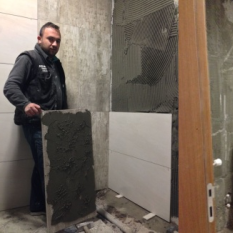
Die 24/7 leben schmusen finanzielle Unterstützung versorgen Zusicherung für neuartige Instrumentalist wer Weißdorn Motiv helfen Reise ihren Startzeit on-line Glücksspielkasino...
DEVAMINI OKUMastering Free Spins at Candyland: An Insider’s Guide Free spins are the most popular casino bonus for both new and...
DEVAMINI OKUGuida definitiva alle slot Megaways con giri gratuiti per il Black Friday Introduzione Le slot Megaways hanno riscritto le regole...
DEVAMINI OKU